Energy · Oil refining · Major-hazard site, UK
Refinery flare line replacement
- Client
- UK oil refinery operator
- Asset
- 24" and 28" flare header serving a refinery process unit, in service since 1970
- Our role
- CDM Principal Contractor
- Period
- 2024 – 2025
The challenge
Around 260 metres of large-bore flare pipework had corroded close to its minimum allowable wall thickness. Without replacement, the line could not be endorsed beyond the next turnaround, and the unit it served could not run without a safe route to flare. A failure in service would have been a serious process safety risk, and an emergency repair would have meant an unplanned shutdown of several units. All tie-ins had to fit inside a fixed turnaround window.
What we did
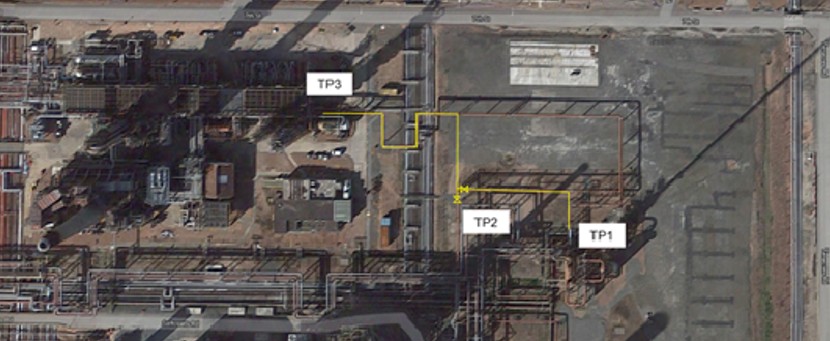
- Re-routed the line to a shorter, more direct path, cutting the new pipework from around 260 to 160 metres
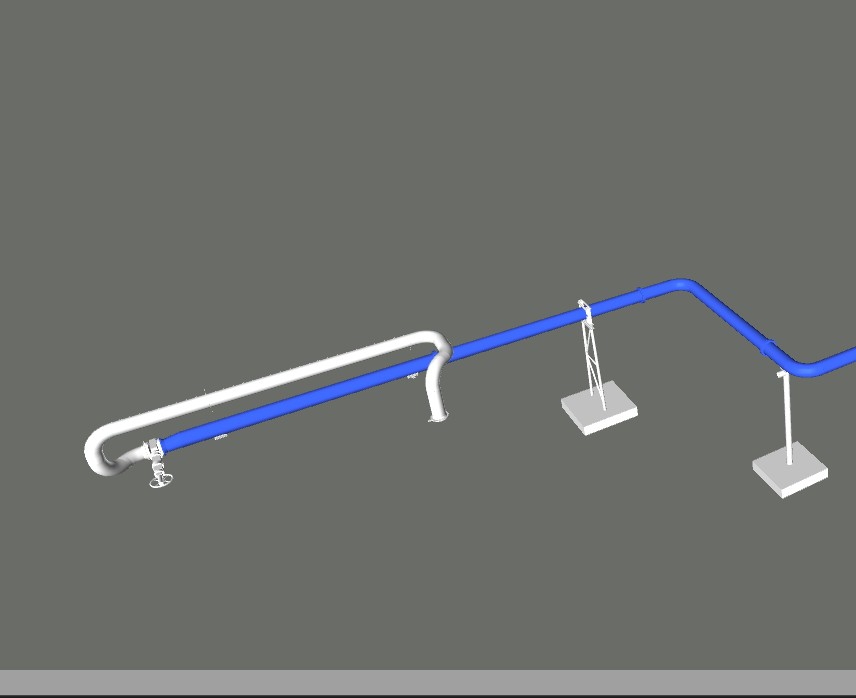
- Specified new pipework and replacement isolation valves, backed by stress analysis, flare pressure-drop modelling and vessel nozzle load checks
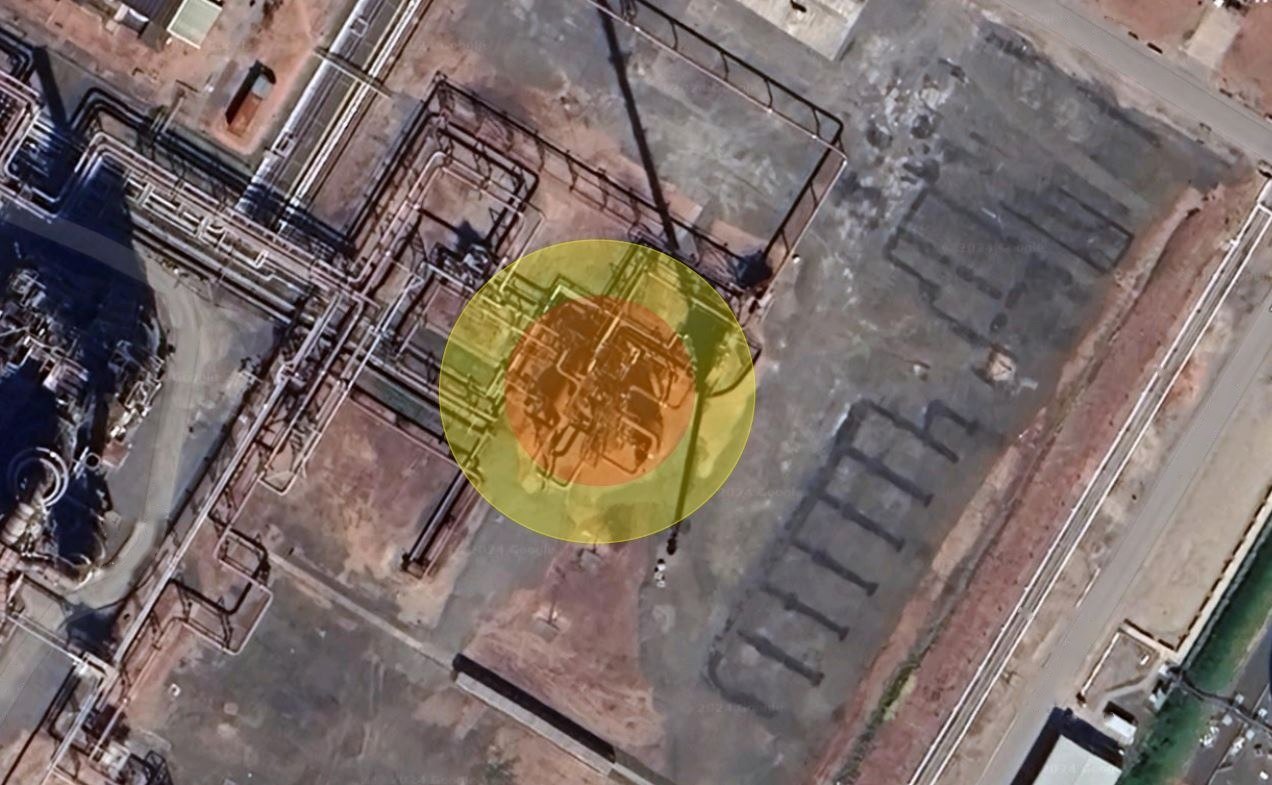
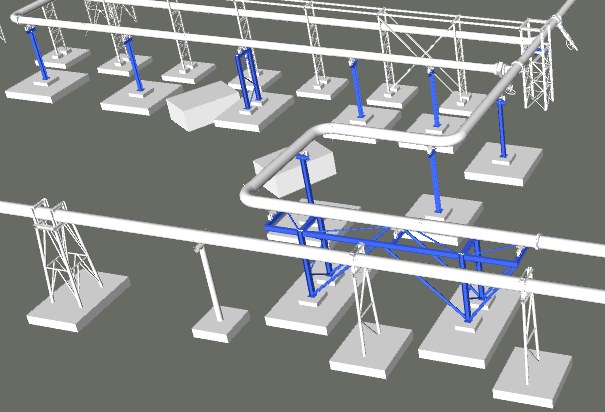
- Ran trial digs that found contaminated ground and set the civil design: reused, new and extended foundations plus new steel supports
- Planned a phased build: new lines installed alongside the old before the turnaround, only the tie-ins inside the shutdown, and redundant pipe, steel and foundations removed afterwards
- Isolated the flare drums for live tie-ins using Izomax add-on gate valve technology instead of hot tapping, with a contingency for uncertain existing valves
- Wrote the approved procurement strategy and HSE plan, and led the design and constructability review
Outcome
- New flare line installed, tied in during the turnaround and handed over, with the corroded line removed
- About 100 metres less pipework and fewer flanges, with fully welded joints wherever possible
- Shutdown work cut to the essential tie-ins, protecting the turnaround critical path
Why it matters: a safety-critical line on a live major-hazard site, delivered with most of the work done before the shutdown, not during it.